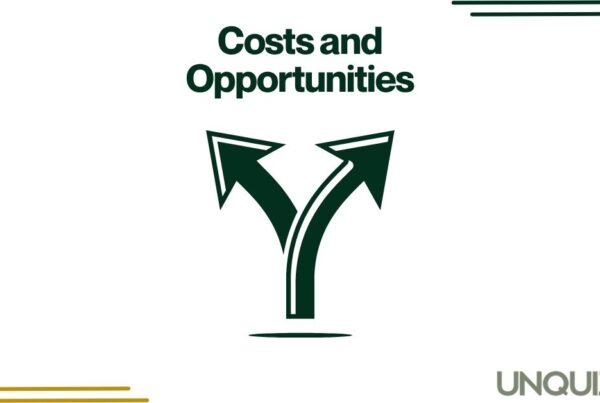

There is no doubt, 2026 has been a difficult year for businesses of all sizes, small, medium and big. All businesses are operating in a harder environment every day as this year is progressing. With rising costs, uncertainty around fuel prices, growth of the AI and growing demands from customers for value are forcing organisations to make sharper and strategic choices. In the previous article I wrote about costs and opportunities with choices and often these come with focus on where to invest a business’s resources – time, money, and capital. With this as context, I borrow the term “decluttering” into business – it is not just a tidying up jargon but could become a strategic discipline for businesses. Decluttering as a metaphor for businesses could help leaders examine their business offerings and remove what no longer is feasible.
A more technical business term for this is portfolio rationalisation. This is the practice of reviewing your offerings – products, services or initiatives, and deciding which ones to keep, improve, merge, delay or discontinue. During uncertain times, having discipline around portfolio rationalisation matters even more as a business’s resources are limited and having too many low value offerings would not be the best approach strategically.
As a business leader, through rationalisation you are examining the spend of cash, reducing complexity and identifying the focus on your investment with clarity around likelihood of pay off. Examining this through the lens of foresight will add more value towards any decisions you make.
Why the environment matters?
The current business climate is making business more costly than usual. Several sources point to economic uncertainty, inflation, cost pressure, and demand weakness as persistent issues for organisations in 2025 and 2026. Small businesses continue to report inflation and revenue pressure as major concerns, while broader business commentary highlights execution risk, talent constraints, and the need to align AI and other investments with actual outcomes. Governments across countries have noted this pressure in their briefings (for details see RNZ article, US Chamber of Commerce, UK Parliament.)
With this environment, businesses need to be more selective about where they place their energy. An offer that might have been acceptable in good times can become a liability when conditions tighten. In a difficult market, hidden or unknown complexity can become a cost.
Decluttering could help you protect your costs and attention. Businesses can become overloaded not just by products and services, but by internal commitments, legacy processes and legacy projects that have continued over years. As a result, there is clutter or strategic noise. By reviewing core offerings and making rational decisions, businesses can declutter and focus their attention on what really matters to the business and its stakeholders in delivering value.
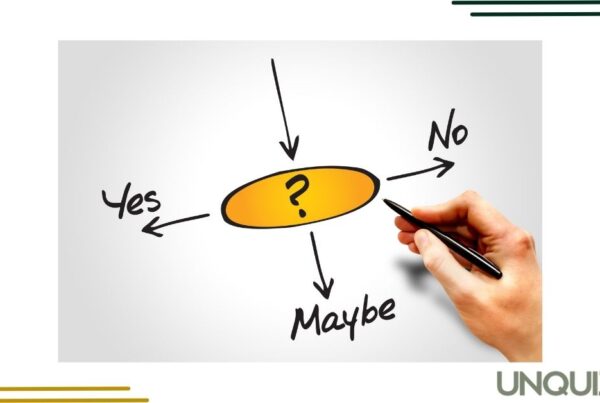
If you have decided to focus on decluttering, here are a few questions to guide your review:
- Does this offering align with our current strategy?
- Does this offering deliver value to stakeholders who really matter?
- Will this offering sustain us over the next few years?
- Is this offering creating complexity that we cannot afford to give resources to?
How to answer these questions?
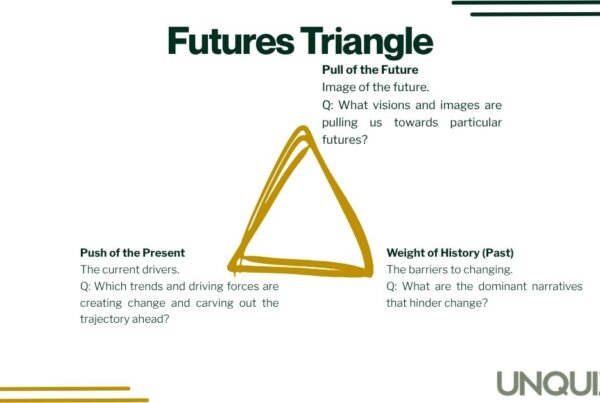
At Unquiet ® Ltd, we can help you to determine where the uncertainties will arise from through strategic foresight frameworks.
Get in touch if you’d like to learn how we can guide you through this analysis.
Subscribe to the Unquiet newsletter to receive thoughtful reflections on strategy, foresight, leadership, and change, plus updates on new writing, events, and what’s coming next directly to your mailbox.